Artificial Intelligence (AI) has dramatically reshaped medicine over the past decade, but 2026 marks a turning point where innovation and accessibility converge to redefine healthcare delivery. From diagnosis to treatment personalization, AI has transitioned from being an assistive tool to becoming an integrated partner in decision-making. This transformation empowers medical professionals and patients alike, improving outcomes, efficiency, and trust in digital healthcare systems.
Revolutionizing Healthcare Through AI Innovations

In 2026, AI-driven systems have reached a level of precision that revolutionizes diagnostic accuracy. Advanced pattern recognition algorithms process millions of medical images in seconds, identifying pathology markers more efficiently than before. This advancement not only accelerates early disease detection but also helps reduce human error in radiology, oncology, and cardiology. AI’s real-time learning capabilities ensure that with each new case, these systems refine their understanding, making healthcare faster and more reliable.
Secondly, clinicians increasingly rely on AI-powered decision-support systems. These platforms integrate patient histories, genetic data, and global research findings to propose evidence-based treatment plans. Doctors can now focus more on patient care while letting AI handle analytical complexities. What used to take hours of data comparison now happens instantly, resulting in a patient-centered approach that enhances both clinical efficiency and satisfaction.
Finally, AI has transformed the administrative side of healthcare. Automated scheduling, predictive staffing, and resource management reduce hospital burdens and operational costs. AI chatbots triage non-emergency cases, freeing medical staff for critical interventions. The collaboration between human intelligence and machine learning ensures that healthcare systems can meet growing demands without compromising quality.
The 2026 Breakthroughs Shaping Medical Frontiers
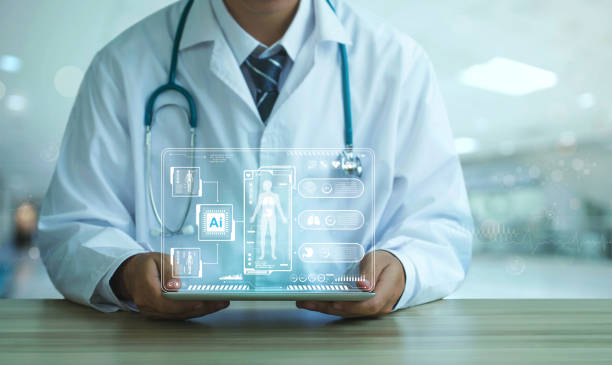
The year 2026 is distinguished by breakthroughs in AI-assisted genomics. Predictive models now decode complex genetic patterns to identify potential health risks years before symptoms appear. Personalized medicine has become the norm, with treatments tailored precisely to an individual’s genetic makeup. This has led to remarkable progress in managing chronic diseases and genetic disorders, significantly extending quality of life for patients worldwide.
AI also plays a crucial role in drug discovery and vaccine design. Automated molecular simulations and deep learning networks identify promising compounds in record time. Pharmaceutical companies now rely on AI to accelerate development cycles from years to months, reducing both costs and trial failures. This synergy between computational brilliance and biological insight has paved the way for rapid responses to emerging health crises.
Moreover, human-machine collaboration has redefined surgical precision. AI-driven robotics assist surgeons in complex procedures, offering stabilized movements and data-enhanced feedback. Surgeons no longer operate in isolation but in tandem with intelligent systems that predict risks and monitor vital trends in real time. This integration ensures safer surgeries, faster recoveries, and a new gold standard in operative medicine.
As of 2026, Artificial Intelligence stands not as an auxiliary to medicine but as its dynamic core. By merging computational intelligence with human compassion, AI bridges the gap between innovation and care. The future of medicine is now data-rich, predictive, and inclusive—an ecosystem where precision and personalization prevail. The journey continues, but one truth is clear: AI has not just transformed healthcare—it has humanized it in ways once thought impossible.
Laisser un commentaire